DATE KNOWLEDGE · KABKAB
What Is Kabkab Date? Origin, Taste, Texture and the Story of Dashtestan
Kabkab is not simply a dark date. It is a southern Iranian cultivar with a recognisable fleshy character — and a commercial identity that begins with place, maturity and specification.
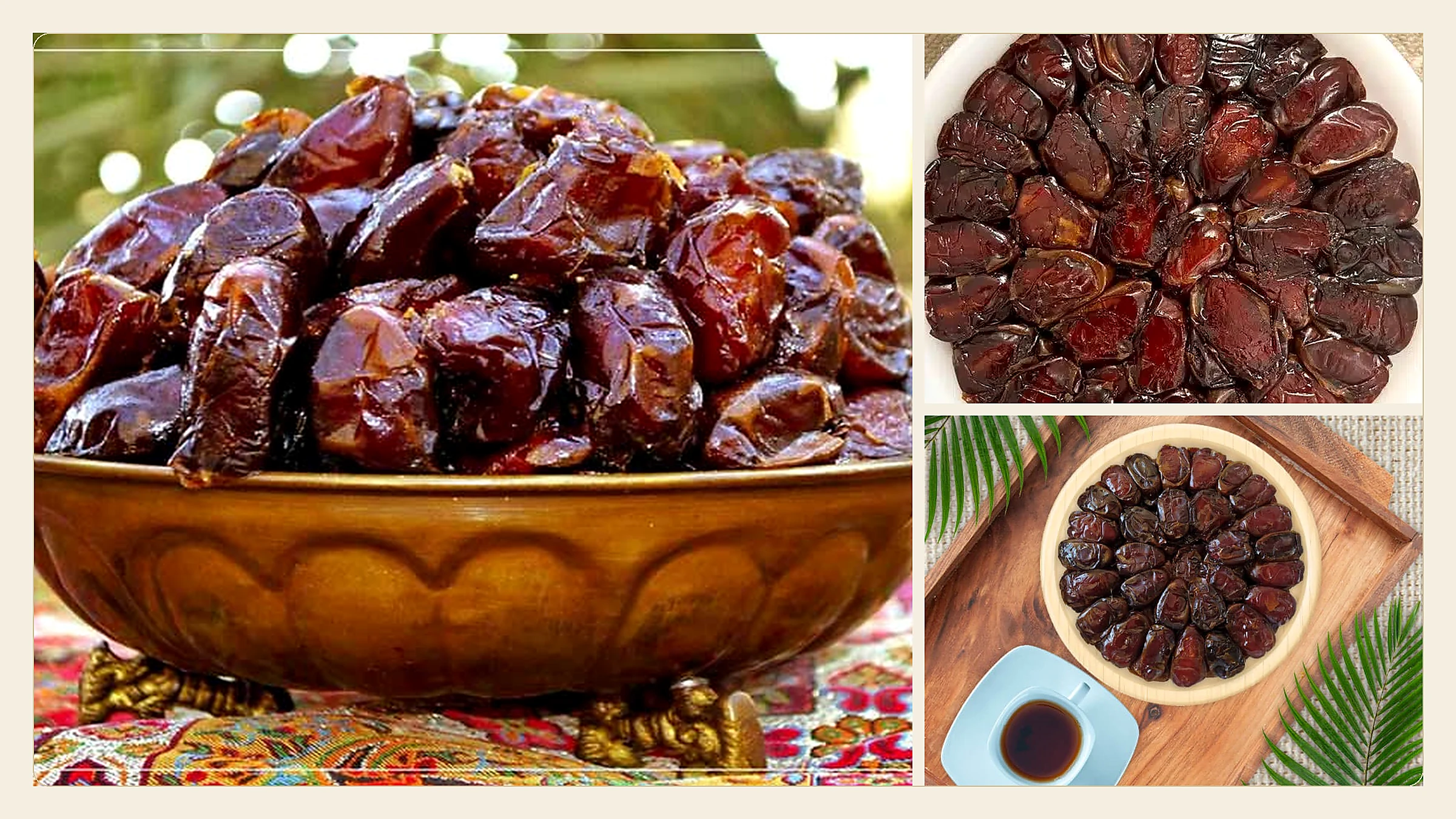
Kabkab is a date cultivar closely associated with southern Iran and particularly with the date-growing landscape of Dashtestan in Bushehr Province.
It is generally recognised for its substantial flesh, elongated to oval form, rich sweetness and soft to semi-soft eating character when mature.
But that simple description does not fully explain Kabkab.
To understand this date, it helps to understand where it grows, how the fruit changes as it ripens and why the word Kabkab describes a cultivar rather than a particular stage of the date fruit.
For us at BAGHERI, this is also a personal subject.
Our story begins in Dashtestan.
Here, date palms are not exotic landscape plants. They are part of the geography, agriculture and memory of everyday life.
And among the dates connected with this region, Kabkab has a particularly important place.
What Is a Kabkab Date?
Kabkab is a cultivar of the date palm, Phoenix dactylifera L., grown in Iran.
In simple terms, a cultivar is a recognised type of cultivated plant selected and maintained for particular characteristics.
Kabkab is therefore not a general word for a dark date.
It is not a packaging grade.
And it is not a stage of ripeness.
It is the name of a date palm cultivar.
This distinction matters.
A Kharak, for example, describes date fruit eaten at a firm and coloured maturity stage associated with Khalal.
Kabkab describes the type of palm and fruit.
A Kabkab fruit itself passes through different stages as it develops and ripens.
It begins green.
It changes colour.
The flesh develops.
The fruit moves through its later maturity stages.
Eventually, the Kabkab recognised by most consumers develops the deeper colour, softer texture and rich sweetness associated with mature fruit.
Research conducted in Bushehr has described Kabkab fruit as long and oval, approximately 3.5 to 4 cm in the samples discussed, with colour changing from yellow to dark brown according to ripeness. The same research described a soft, fine-textured flesh and noted the importance of Kabkab production in the Dashtestan and Borazjan area.
The exact dimensions, moisture and appearance of an agricultural fruit should not be treated as fixed industrial specifications for every orchard and every crop year.
But the overall identity is clear.
Kabkab is a fleshy southern Iranian date with a strong relationship to Dashtestan.
Where Do Kabkab Dates Come From?
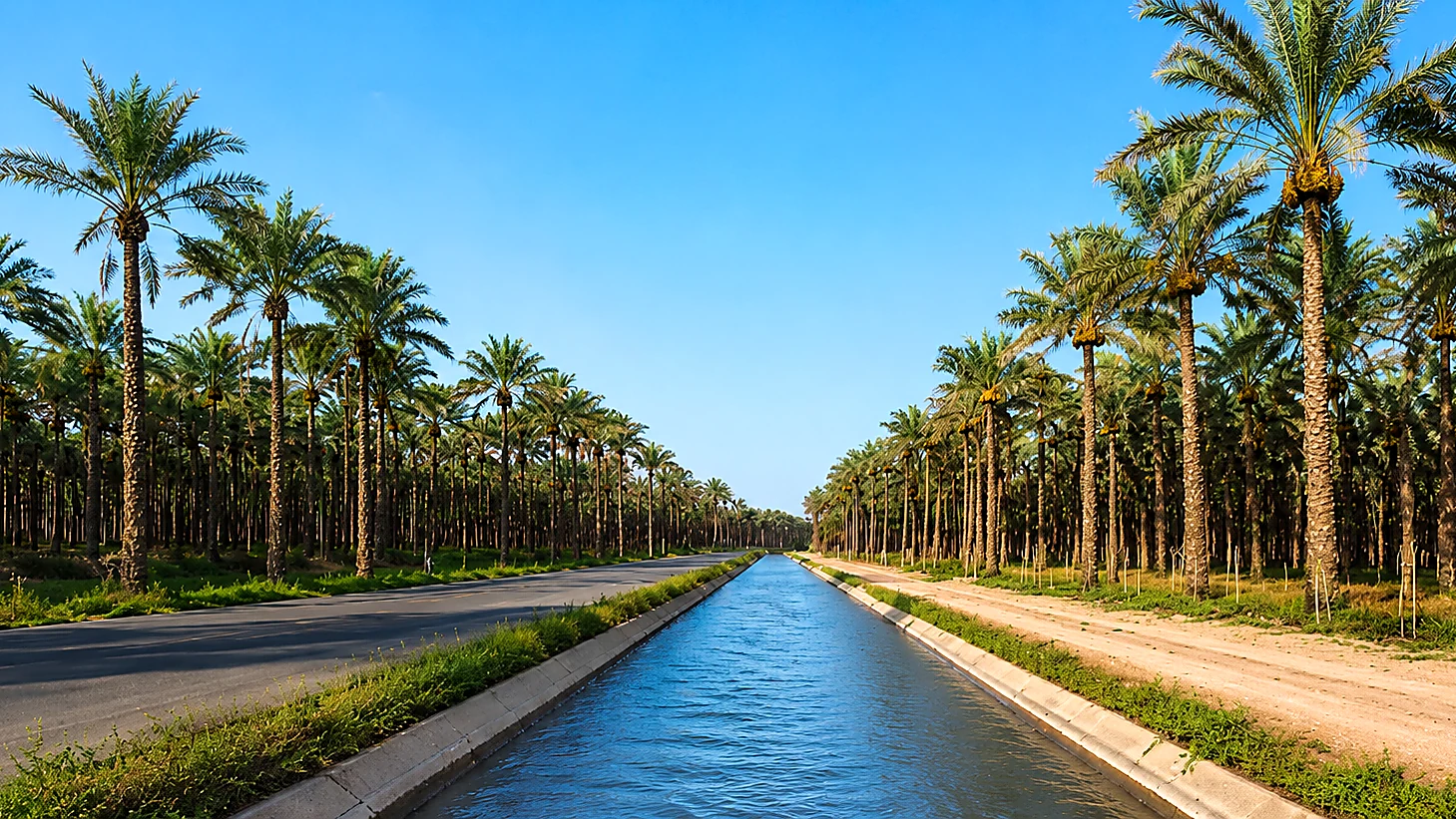
Kabkab is strongly associated with the date-growing regions of southern Iran.
For BAGHERI, the most important name is Dashtestan.
Dashtestan is located in Bushehr Province, in southern Iran.
A recent field study specifically examining the Kabkab cultivar was conducted at the research orchard of Persian Gulf University in Dashtestan, Bushehr Province. The researchers described the site as semi-arid, with hot summers, mild winters and calcareous soil conditions.
Another study from researchers at Persian Gulf University notes that Kabkab is grown in large quantities in Dashtestan and the Borazjan area and emphasises its economic importance to the region.
For someone buying dates from a supermarket thousands of kilometres away, origin may appear to be a small line on a label.
For a grower, origin is physical.
It is temperature.
Water.
Soil.
The length and intensity of summer.
The palm.
And the agricultural knowledge built around the local crop.
This is why we do not use Dashtestan simply as a decorative word in BAGHERI branding.
Kabkab is part of the date landscape we come from.
What Do Kabkab Dates Look Like?
A mature Kabkab date is generally associated with a deep brown appearance.
But a Kabkab fruit is not dark brown throughout its entire life.
Like other date fruits, its appearance changes with maturity.
Research describing Kabkab fruit from the Bushehr region has reported colour ranging from yellow to dark brown depending on the stage of ripeness. The fruit was described as long to oval, with an approximate length of 3.5–4 cm in the material discussed.
This colour transition is important.
People sometimes look at yellow fruit on a Kabkab palm and dark dates in a package and imagine that they are fundamentally different products.
They may be looking at the same cultivar at different moments of fruit development.
As the fruit ripens, its chemistry and physical structure change.
Colour develops.
Texture changes.
Sugar characteristics change.
Moisture changes.
The fruit that leaves the orchard at one maturity stage can provide a very different eating experience from the same cultivar at a later stage.
That is why identifying a date only by colour can be misleading.
Cultivar and maturity stage need to be understood together.
What Does a Kabkab Date Taste Like?
Kabkab is known for a rich and distinctly sweet eating character.
A study focused on Kabkab and Khasouei dates in Bushehr described Kabkab as popular for a sweet and syrupy taste.
But flavour is difficult to reduce to one adjective.
“Sweet” describes thousands of foods.
The more useful question is:
How does Kabkab express sweetness?
In a mature Kabkab date, sweetness is associated with substantial fruit flesh and a soft or semi-soft texture.
The eating experience is not the crisp, bright freshness of yellow Kharak.
Nor should Kabkab be understood simply as a brown piece of dried fruit.
Its identity is more generous.
The fruit has body.
The flesh is noticeable.
A good Kabkab has enough substance that the relationship between flesh, skin and stone can be felt while eating it.
Its sweetness can feel rich and concentrated.
Depending on maturity and product condition, a syrupy character may also be perceptible.
This is one reason Kabkab is difficult to explain to someone who believes all dates taste the same.
They do not.
Date palm cultivars show meaningful differences in physical and biochemical characteristics, and recent research on Kabkab itself has demonstrated that even orchard nutrition can influence measured fruit quality traits such as weight, soluble solids and sugar indices.
A cultivar is more than a name printed on a box.
It is part of the eating experience.
Are Kabkab Dates Soft or Dry?
Kabkab is commonly described as a soft or moisture-rich date cultivar, although commercial descriptions sometimes use the term semi-soft depending on product condition and market terminology.
This is exactly why date classification requires some care.
“Soft,” “semi-soft” and “dry” are useful commercial descriptions.
But fruit moisture does not exist in three perfectly separated boxes created by nature.
The condition of date fruit can be influenced by cultivar, maturity, postharvest handling and storage.
In one Bushehr study, Kabkab was described as a wet date variety with moisture around 18% in the fruit studied.
That number should not be copied as a guaranteed universal specification for every Kabkab shipment.
A scientific measurement from one study is not automatically a commercial certificate for every crop.
At BAGHERI, we believe this distinction is important.
When a wholesale buyer asks for a moisture specification, the correct answer should come from the actual product specification and relevant analysis.
Not from a number copied from an unrelated website.
Broadly, however, Kabkab is appreciated for a softer, fleshier eating experience than genuinely dry date cultivars.
Why Is Kabkab So Fleshy?
The physical characteristics of date fruit are strongly connected with cultivar genetics, growing conditions and crop management.
Kabkab is recognised for substantial fruit flesh.
Scientific field studies specifically on the cultivar use measurements such as fruit weight, flesh characteristics, fruit length and diameter as quality-related parameters. A two-season study in Dashtestan found that potassium and iron treatments affected several Kabkab fruit traits, with a representative treatment producing a mean fruit weight of 17.1 g under that experiment's particular conditions.
Again, this does not mean every Kabkab date weighs 17.1 grams.
It means something more scientifically useful:
Kabkab fruit characteristics are measurable agricultural traits, and their expression can respond to orchard conditions and management.
Nature creates variation.
Cultivar gives the fruit an identity.
Agriculture influences how that identity is expressed.
This is why two boxes carrying the word “Kabkab” are not automatically commercially identical.
How Does Kabkab Change as It Ripens?
A Kabkab date changes considerably during fruit development.
Date fruit is commonly discussed through several developmental and ripening stages, including Kimri, Khalal, Rutab and Tamar.
At the earlier Kimri stage, the fruit is green and developing.
As the fruit reaches the coloured Khalal stage, its appearance changes significantly.
Further ripening brings softening associated with Rutab.
The later Tamar stage represents the mature date stage commonly recognised in the international date trade.
Research following Kabkab fruit through developmental stages has measured progressive changes in characteristics such as pH as fruit moves from Kimri through Khalal, Rutab and Tamar.
For the consumer, these scientific changes become visible and physical.
The yellow fruit changes colour.
The firm structure changes.
The flesh becomes softer.
The mature eating character develops.
This explains why the Kabkab most commonly recognised as a commercial date looks so different from yellow fruit earlier on the same type of palm.
**Ripening does not simply make a date darker.
It changes the fruit.**
Is Kabkab the Same as Kharak?
No.
This is an important question for the BAGHERI website because we present both Haj Bagheri Kharak and Kabkab.
Kharak and Kabkab are not two alternative names for the same concept.
Kabkab is a cultivar.
Kharak describes a maturity stage and eating style associated with firm, fully coloured date fruit.
A simple comparison helps:
| Term | What does it describe? |
|---|---|
| Kabkab | A date palm cultivar |
| Kharak | A firm, coloured maturity stage of date fruit |
| Rutab | A softer ripening stage |
| Tamar | The mature date stage |
Therefore, asking “Is Kabkab or Kharak better?” is not quite the correct botanical question.
It is similar to comparing the name of a fruit variety with the stage at which fruit is eaten.
Commercially, of course, the consumer experiences them as very different products.
Haj Bagheri Kharak is selected for a bright yellow appearance, firm flesh and a crisp bite.
Mature Kabkab is associated with deeper colour, substantial flesh and a much softer, richer eating character.
One speaks through crunch.
The other speaks through softness and depth.
Are All Kabkab Dates the Same?
No.
And this may be one of the most important things an international buyer should understand.
A cultivar name identifies the cultivar.
It does not automatically define every commercial characteristic of every package.
Recent research describes the quality of Kabkab fruit through multiple measurable characteristics, including fruit weight, bunch traits, total soluble solids, reducing sugars, total sugars and fruit dimensions. The same study also warns that its findings were site- and cultivar-specific and should not simply be generalised to other environments.
The principle also works in the other direction.
Even within Kabkab, commercial product characteristics can differ.
Crop season matters.
Orchard conditions matter.
Maturity matters.
Fruit size matters.
Sorting matters.
Moisture condition matters.
Storage matters.
Packing format matters.
This is why the phrase:
“We sell Kabkab dates.”
is only the beginning of a wholesale conversation.
A professional buyer needs more information.
What Should a Buyer Ask When Buying Kabkab Dates?
The first question is naturally:
Is the cultivar Kabkab?
After that, the commercial specification begins.
A buyer may need to discuss:
grade;
fruit size or count specification;
condition and maturity;
moisture specification where relevant;
crop season;
net weight;
packing format;
storage requirements;
lot information;
destination market;
and private-label or buyer-specific packaging requirements.
This is the difference between discussing dates as a fruit and discussing dates as a trade product.
At BAGHERI, we believe both languages are necessary.
We should know the palm.
And we should understand the purchase order.
A buyer should not be asked to make commercial decisions based entirely on words such as “premium,” “super” or “best quality.”
Those words can be useful in consumer marketing.
They are not enough for procurement.
A serious Kabkab offer needs a specification.
How Should Kabkab Dates Be Stored?
Storage matters because harvested dates can continue to experience physical and chemical quality changes.
Research from Persian Gulf University examining Kabkab during storage identified unsuitable storage conditions and inappropriate packaging as significant challenges in the date industry. The study discusses moisture loss, textural changes, colour, decay and the role of low temperature in preserving date quality.
The exact storage protocol should be connected to the actual product condition and intended storage period.
This is particularly important because advice written for one maturity stage or cultivar should not automatically be copied to every date product.
For commercial Kabkab, storage planning should consider the product specification, moisture condition, packaging system and distribution period.
For the final consumer, the instructions on the actual package should take priority.
There is a simple reason for this caution.
**The word Kabkab identifies a cultivar.
It does not tell us everything that has happened to the fruit after harvest.**
What Is the Nutritional Value of Kabkab Dates?
Kabkab is a naturally sweet date fruit and carbohydrates form an important part of date fruit composition.
Dates generally also contain dietary fibre, minerals and different plant compounds.
However, one of the most common problems in online articles about Kabkab is the publication of an exact “Kabkab nutrition table” without clearly identifying the cultivar source, maturity stage, sample location or laboratory analysis.
Scientific research repeatedly shows that date composition varies between cultivars and can change with fruit development and agricultural conditions.
Recent experimental work on Kabkab measured changes in total soluble solids, reducing sugars and total sugars in response to nutrient management under specific field conditions.
This makes the responsible position clear.
We can describe Kabkab as a naturally carbohydrate-rich date fruit.
But the exact nutritional declaration for a packaged BAGHERI product should be based on the relevant product and analytical data used for that market.
An internet table should not replace a laboratory.
Are Kabkab Dates Healthy?
Kabkab is a whole date fruit.
As with dates generally, its nutritional context includes naturally occurring carbohydrates and plant-derived components.
But BAGHERI does not believe Kabkab needs fictional medical powers to be valuable.
We should be careful with claims such as:
“Kabkab cures anaemia.”
“Kabkab prevents Alzheimer's disease.”
“Kabkab is safe in unlimited amounts for people with diabetes.”
“Kabkab causes weight loss.”
These statements require specific clinical evidence.
A cultivar description is not medical evidence.
Dates have been widely studied for nutritional and phytochemical characteristics, but the existence of a compound in a food should not automatically be converted into a disease-treatment claim.
Kabkab already has a genuine story.
It is a whole fruit.
It is naturally sweet.
It belongs to a historically important cultivated species.
And it has a distinctive cultivar identity.
The truth is strong enough.
How Is Kabkab Different From a Generic “Date”?
There is no single generic date in nature.
The supermarket category may say DATES.
The palms say something more complicated.
Cultivars differ.
Research on date palms consistently treats cultivar as an important source of variation in fruit characteristics, and studies of Iranian dates examine cultivars separately precisely because their physical and biochemical properties are not identical.
Kabkab has its own relationship between shape, flesh, maturity and sweetness.
Another cultivar may be smaller.
Drier.
Firmer.
Lighter in colour.
More translucent.
Or different in its sugar and moisture profile.
For a new date consumer, “sweet brown fruit” may initially seem like an adequate description.
For someone who begins tasting cultivars, it quickly becomes inadequate.
The difference is similar to learning about coffee, grapes or olives.
At first, there is one category.
Then origin becomes visible.
Cultivar becomes meaningful.
Processing matters.
And the differences become easier to recognise.
When Is Kabkab Harvested?
Harvest timing in date production is related to cultivar, stage of maturity, local climate and the intended product.
For this reason, BAGHERI does not believe a global article should state one exact universal calendar date for every Kabkab orchard.
The date-growing cycle belongs to a location and a crop season.
In Dashtestan, the development of the fruit happens under the conditions of southern Iran.
The grower observes the crop.
Colour.
Fruit condition.
Maturity.
The desired product.
Harvest is then connected to what the fruit is intended to become.
This is particularly important because Kabkab fruit changes markedly through ripening.
The buyer who wants a particular commercial Kabkab product is not only buying the name of a palm cultivar.
They are buying fruit harvested and handled for a particular final condition.
Why Is Dashtestan Important to the Story of Kabkab?
We could answer this with production language.
Climate.
Soil.
Agriculture.
Cultivation.
All of these matter.
Scientific Kabkab research continues to be carried out in Dashtestan itself, including recent field research at Persian Gulf University that specifically identifies the region with high-quality Kabkab date production.
But for BAGHERI, there is another answer.
We actually come from here.
Dashtestan is not a location selected after a marketing meeting.
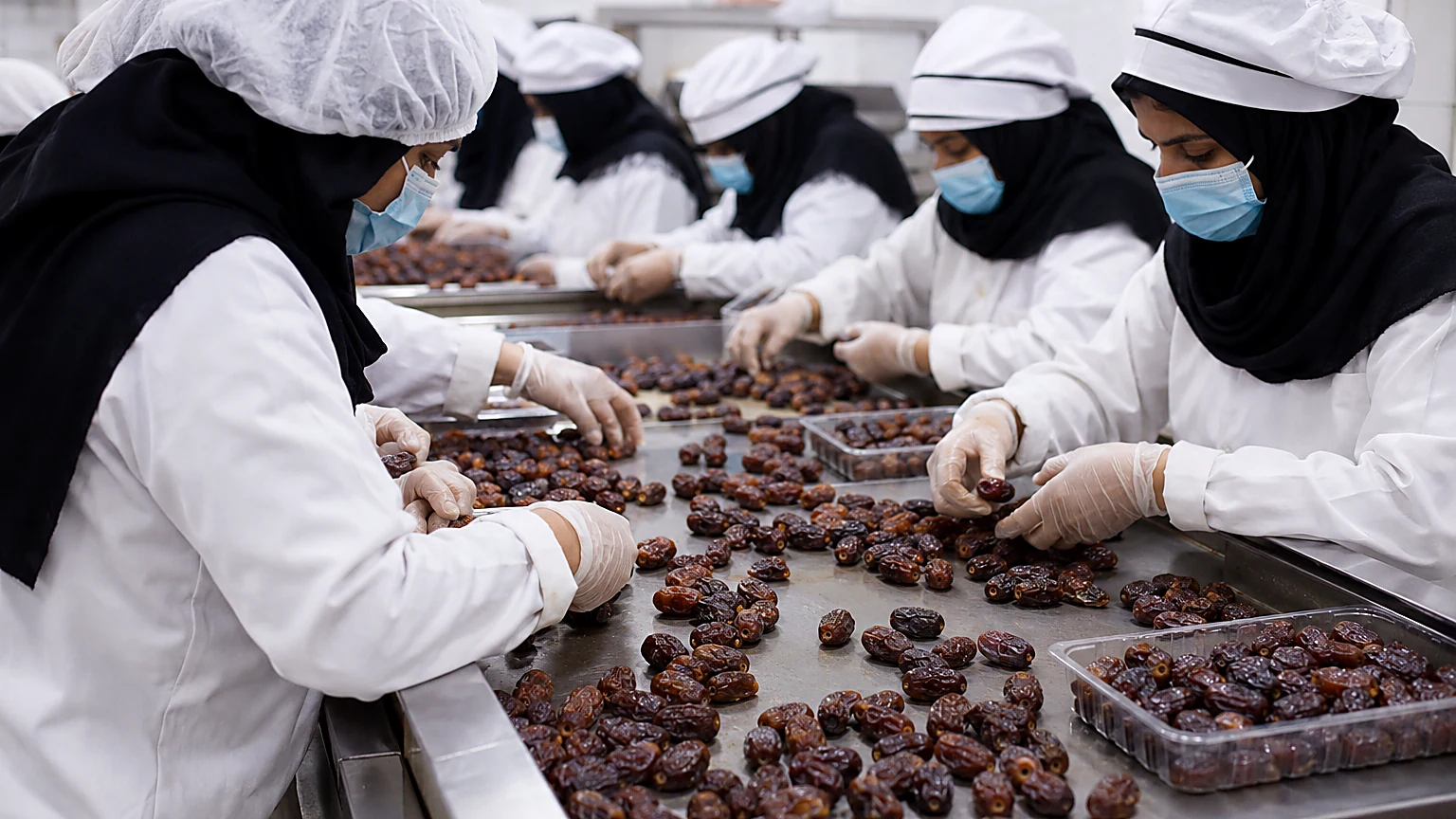
Our family relationship with the date landscape of the region reaches through generations.
We know dates not only as sealed products.
We know the colour of fruit on the palm.
The difference between stages.
The summer.
The harvest.
The trays.
The sorting.
And the moment when a fruit that looked almost identical from a distance reveals its differences when held in the hand.
This does not mean tradition replaces science.
It means science has a place to stand.
Our objective with BAGHERI Date Knowledge is to bring the two forms of understanding together:
the language of research;
and the language of people who come from the date-growing landscape.
How Does BAGHERI Approach Kabkab?
For us, the cultivar name is the beginning.
Then comes selection.
Fruit condition.
Grade.
Size.
Sorting.
Storage.
Packing.
And the intended market.
This is why our Kabkab conversation with a wholesale buyer goes beyond:
“Yes, we have Kabkab.”
The more useful questions are:
Which product specification?
Which grade?
Which packing configuration?
Which net weight?
For which market?
What are the buyer's storage and distribution expectations?
A date can carry centuries of agricultural history and still need a clear commercial specification.
These ideas are not in conflict.
They belong together.
How Can You Recognise Kabkab Dates?
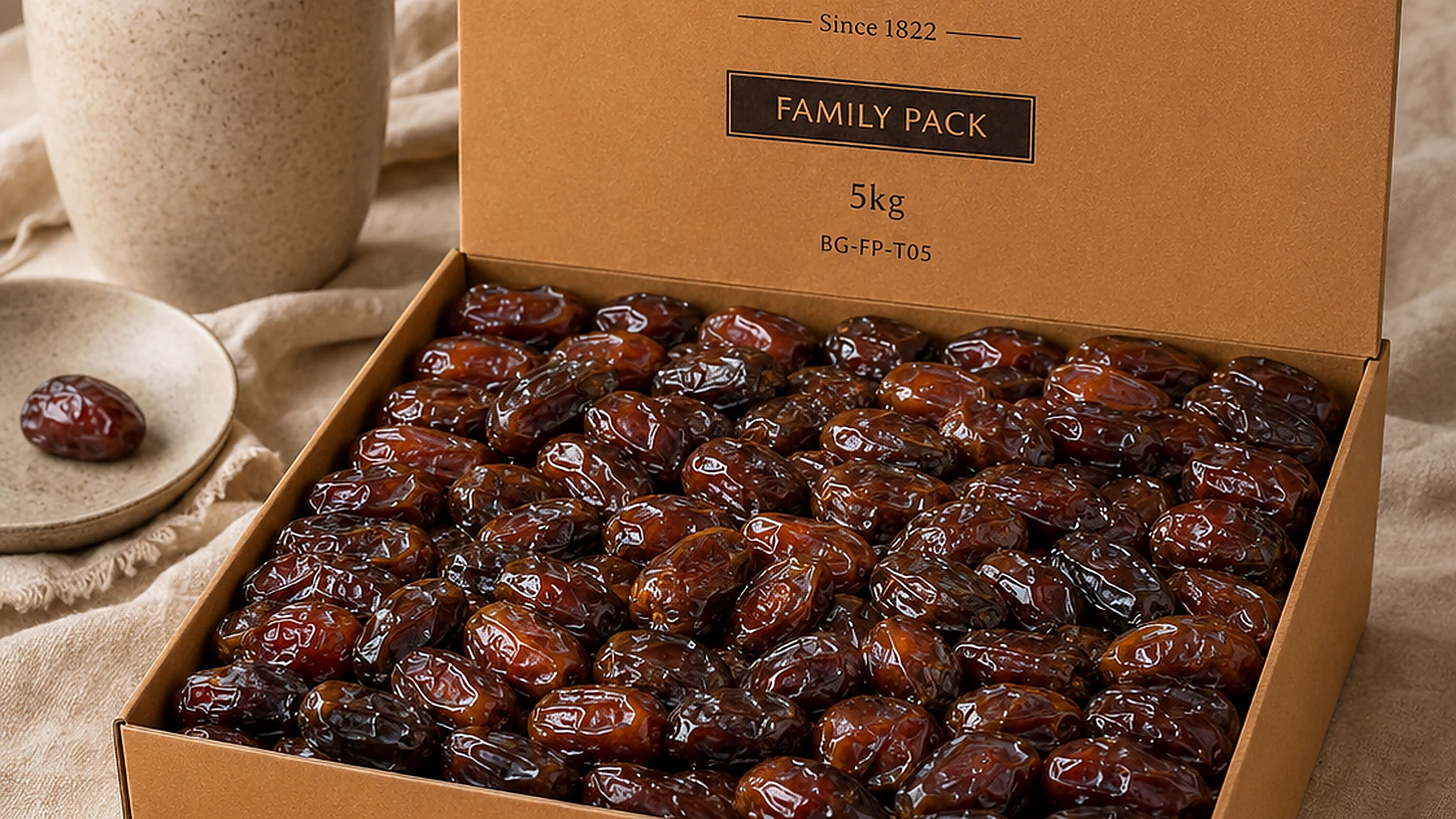
A mature Kabkab product is generally associated with several recognisable characteristics:
a brown to deep brown colour at later maturity;
an elongated or oval fruit form;
substantial flesh;
a soft or semi-soft eating character;
and rich natural sweetness.
Research describing Kabkab from the Bushehr region has similarly reported long, oval fruit, colour changing from yellow to dark brown with ripeness and a soft, fine-textured eating character.
However, visual identification from one photograph is not always sufficient to authenticate a cultivar.
Maturity, lighting, storage and natural fruit variation can influence appearance.
For trade, cultivar identity and product traceability are more reliable than guessing from colour alone.
Is Kabkab a Premium Date?
The word premium does not describe a cultivar.
Kabkab can be selected and prepared as a premium product.
It can also be offered in other commercial grades and formats.
This difference is essential.
A variety does not become premium simply because its name is printed in gold.
Premium quality is connected with the actual product specification and the way fruit is selected, sorted, handled and packed.
For BAGHERI, a luxurious box creates a stronger obligation.
The package raises the buyer's expectations.
The fruit inside has to answer them.
So our question is not:
Is Kabkab automatically premium?
Our question is:
Which Kabkab fruit belongs in this particular BAGHERI package?
That is a sorting and product-specification decision.
Not a typography decision.
Frequently Asked Questions About Kabkab Dates
What are Kabkab dates?
Kabkab is an Iranian date palm cultivar strongly associated with southern Iran and particularly Dashtestan in Bushehr Province. Mature fruit is known for its substantial flesh, deep colour, rich sweetness and soft to semi-soft texture.
Where do Kabkab dates come from?
Kabkab is cultivated in southern Iran. Dashtestan and the Borazjan area in Bushehr Province are particularly important Kabkab-growing locations and have been the subject of scientific research on the cultivar.
What do Kabkab dates taste like?
Kabkab dates are naturally sweet and are often described as having a rich or syrupy eating character. Their substantial flesh and soft texture contribute to the overall sensory experience.
Are Kabkab dates soft?
Mature Kabkab is generally associated with a soft or semi-soft eating character. Exact fruit condition can vary according to maturity and postharvest handling.
What colour are Kabkab dates?
The fruit changes colour as it ripens. Research from Bushehr has described Kabkab colour ranging from yellow to dark brown depending on ripeness.
Is Kabkab the same as Kharak?
No. Kabkab is a date palm cultivar. Kharak refers to a firm and coloured maturity stage or style of eating date fruit.
Are all Kabkab dates the same size?
No. Dates are biological fruit and natural variation exists. Commercial grading and sorting can be used to create a more defined size or presentation specification.
How long are Kabkab dates?
One study describing Kabkab from Bushehr reported fruit approximately 3.5–4 cm long. This should be understood as a study observation rather than a guaranteed universal dimension for every Kabkab fruit.
Are Kabkab dates high in sugar?
Kabkab is a naturally sweet, carbohydrate-rich date fruit. Exact sugar composition and nutritional values should be based on the specific product and relevant laboratory analysis rather than a generic internet nutrition table.
How should Kabkab dates be stored?
Storage requirements depend on the actual product condition, moisture, packaging and intended storage period. Research on Kabkab highlights temperature, moisture loss and packaging as important postharvest considerations.
Is Kabkab suitable for wholesale export?
Kabkab is an important commercial cultivar, but a wholesale purchase should define more than the cultivar name. Grade, size, product condition, packing format, crop season, storage and destination requirements should be discussed.
Kabkab Is a Name. Dashtestan Gives It a Place.
A date can be described in numbers.
Length.
Weight.
Moisture.
Soluble solids.
Sugar.
These measurements matter.
We use them because commercial products need specifications and science needs measurable characteristics.
But a cultivar is also carried through place.
For us, Kabkab leads back to Dashtestan.
To palms that belong to the southern landscape.
To fruit changing colour under the heat.
To harvest.
To sorting tables.
To dates that are similar enough to share one cultivar name but different enough to require human attention before they enter a package.
This is where our understanding of Kabkab begins.
Not with a luxury box.
Not with an export catalogue.
Not with the word “premium.”
With the fruit.
Kabkab is a cultivar.
Dashtestan is part of its story.
And at BAGHERI, we believe a date should be understood before it is marketed.
— BAGHERI | Date Knowledge from Dashtestan
Scientific References
[1] Hesami A, Bavi R, Hashemi A, et al. Yield and fruit quality responses of ‘Kabkab’ date palm (Phoenix dactylifera L.) to potassium and iron fertilization under calcareous soil conditions. BMC Plant Biology. 2025.
[2] Hashemi A, Hesami A, Ghasemi A. The Effect of Chlorella Vulgaris Microalgae on Some Characteristics of Storage Time of Date Fruit (Phoenix dactylifera). Agricultural Engineering International: CIGR Journal. 2022;24(1):239–248.
Editorial Note
Fruit characteristics can vary with orchard conditions, maturity, crop season, agricultural management and postharvest handling. Numerical values reported from individual scientific studies should not automatically be interpreted as universal commercial specifications for every Kabkab lot.
DASHTESTAN KABKAB