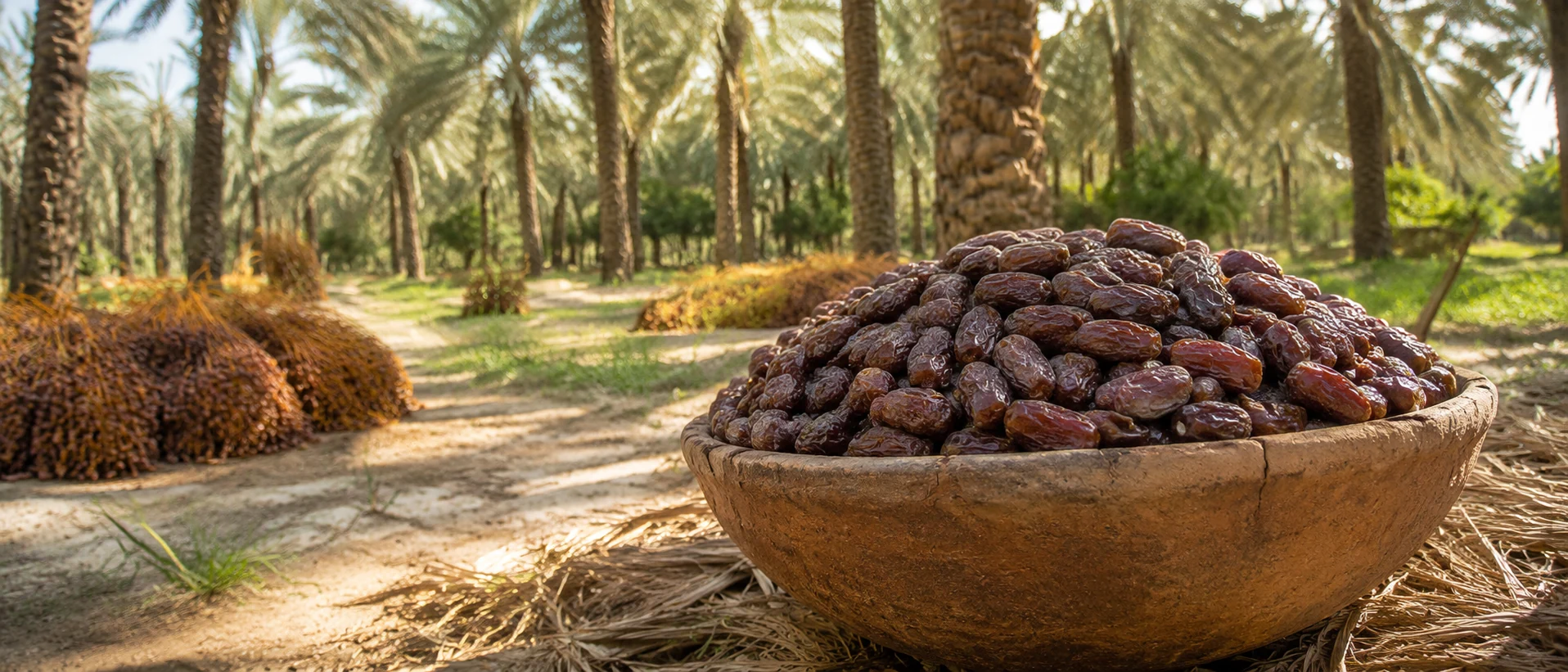
Dates are naturally sweet, rich in carbohydrates and dietary fiber, and provide minerals such as potassium and magnesium. They also contain a range of plant compounds, including phenolic acids, flavonoids and carotenoids.
But are dates genuinely healthy?
Yes. Dates can be a nutritious part of a balanced diet. The strongest reasons are straightforward: they are a whole fruit that provides carbohydrates, fiber, minerals and naturally occurring phytochemicals. Dates are also concentrated in natural sugars and calories, so portion size still matters.
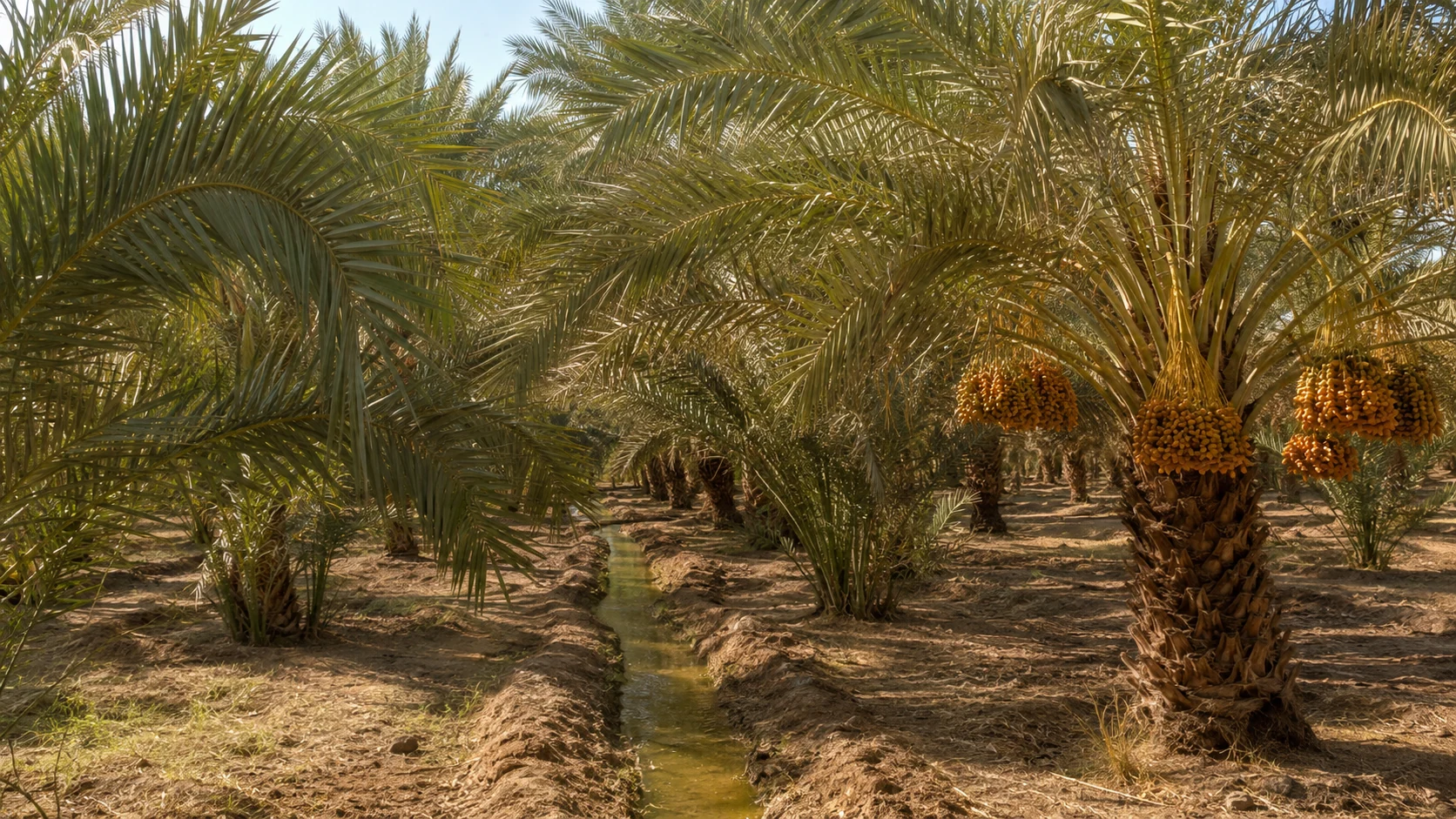
At BAGHERI, dates are not a newly discovered “superfood” or a passing nutrition trend. Our connection with date palms comes from Dashtestan in southern Iran, where generations of our family have lived among palms and date harvests for nearly two centuries.
We believe dates deserve something better than exaggerated health claims.
They deserve an honest look at what is inside the fruit — and what science actually tells us.
Evidence at a glance
The nutritional value of dates is well established. Human evidence is also reasonably supportive for bowel regularity and suggests that moderate date consumption can fit into some glycemic eating plans. Research on blood lipids, oxidative stress and late-pregnancy outcomes is promising, but it is more limited and should not be turned into disease-treatment claims.
What Are the Main Health Benefits of Dates?
The potential health benefits of dates include:
- providing a naturally concentrated source of carbohydrates and energy;
- contributing dietary fiber to the diet;
- supporting normal bowel function;
- supplying potassium, magnesium and other minerals;
- providing naturally occurring antioxidant compounds;
- offering a whole-fruit way to add sweetness to some foods;
- potentially fitting into some diabetes eating plans when portions and total carbohydrates are considered;
- potentially contributing to a heart-conscious dietary pattern;
- and, based on a growing but still limited evidence base, possibly influencing some labor outcomes when consumed in late pregnancy under appropriate clinical guidance.
The strength of evidence is not identical for every claim. Some benefits follow directly from the nutritional composition of dates, while other effects are still being investigated in human studies.
Let us look more closely.
Dates Nutrition: What Is Actually Inside a Date?
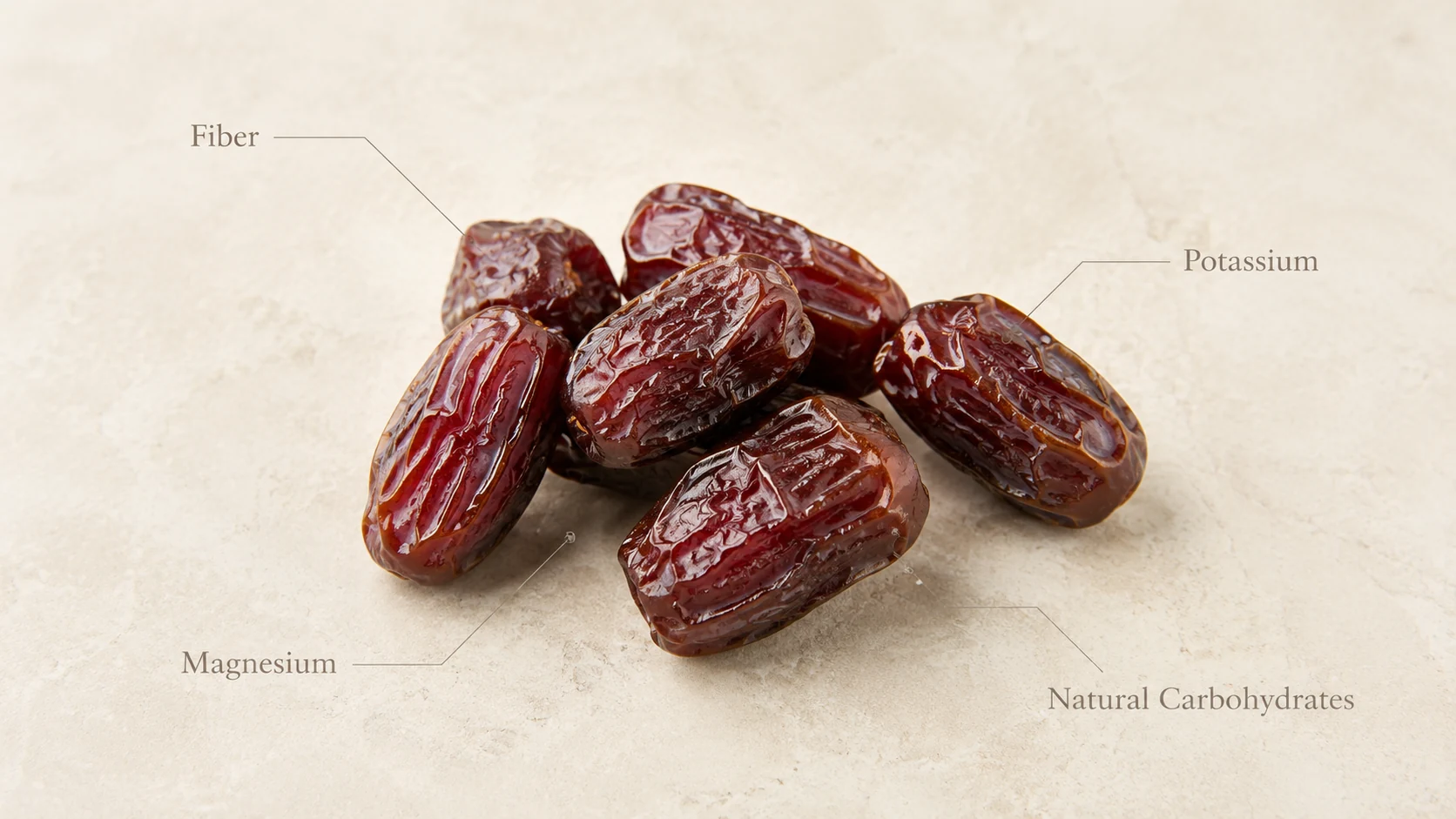
The nutritional composition of dates varies according to cultivar, growing conditions and stage of ripeness.
As one reference point, USDA FoodData Central data for Medjool dates list approximately the following values per 100 grams:
| Nutrient | Approximate amount per 100 g |
|---|---|
| Energy | 277 kcal |
| Carbohydrate | 75 g |
| Total sugars | 66.5 g |
| Dietary fiber | 6.7 g |
| Protein | 1.8 g |
| Potassium | 696 mg |
| Magnesium | 54 mg |
| Calcium | 64 mg |
| Phosphorus | 62 mg |
These numbers reveal something important: dates are both nutrient-containing and energy-dense.
They are not simply “sugar,” because the whole fruit also contains fiber, minerals and phytochemicals. At the same time, dates are not sugar-free. The nutritional story is more interesting than either extreme. [1]
A note about the table: these are Medjool reference values. Medjool is not Kabkab, and a fully ripened date is not nutritionally identical to yellow Kharak at an earlier stage of ripening. Cultivar, origin and ripening stage can affect moisture, sugars and phytochemical composition.
1. Dates Are a Natural Source of Energy

One of the most practical benefits of eating dates is their carbohydrate content.
Dates naturally contain sugars, especially glucose and fructose. Because carbohydrates are an important source of dietary energy, dates can be a convenient food when readily available fuel is useful.
This helps explain why dates have traditionally been valued during travel, physical work and periods of fasting.
A whole date also provides fiber and naturally occurring minerals. That does not mean dates create unlimited, “perfect” or crash-free energy. It means they are a compact, carbohydrate-rich fruit.
For hikers, active people or anyone looking for a portable snack, that is one of the clearest practical advantages of dates.
2. Dates Provide Dietary Fiber
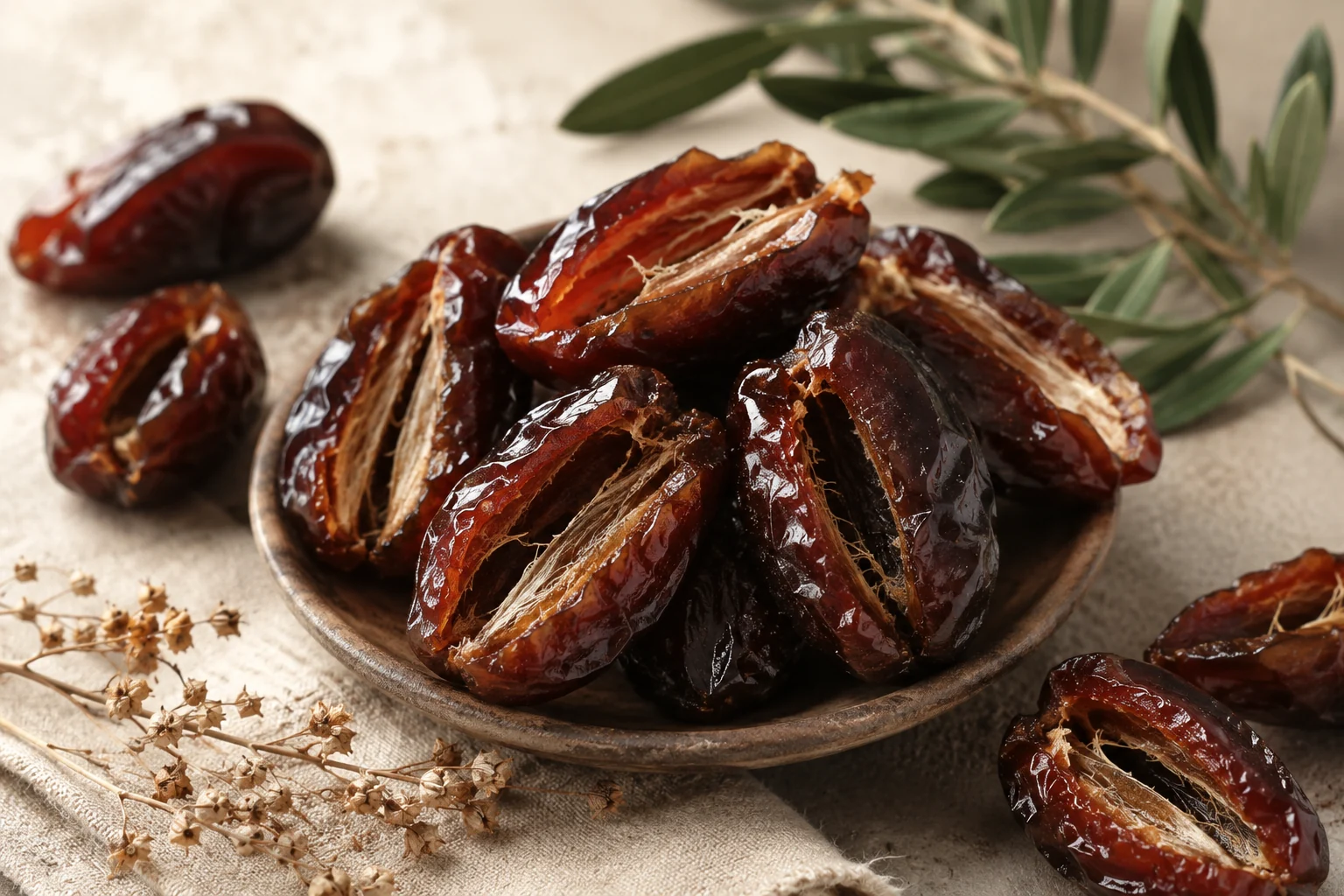
Fiber is one of the most important nutritional differences between eating a whole date and consuming a comparable amount of sweetness from refined sugar.
Using USDA Medjool data as an example, 100 grams of dates provides approximately 6.7 grams of dietary fiber. [1] Dietary fiber contributes to gastrointestinal function and normal bowel habits.
This does not mean that eating one date will immediately “fix” digestion. Water intake, total dietary pattern, physical activity, medication and individual health conditions all affect bowel function.
However, adding fiber-containing whole foods to the diet is nutritionally different from relying only on refined, fiber-free sources of sweetness.
3. Dates May Support Bowel Regularity
The digestive discussion is not based only on theory.
In a randomized, controlled, crossover human study, 22 healthy adults consumed either approximately 50 grams — seven dates — per day or a carbohydrate control for 21 days, with a washout period between interventions.
The researchers reported a significant increase in bowel movement frequency during the date-consumption period. They did not report significant changes in the selected bacterial groups or short-chain fatty acids that were measured. [2]
The responsible interpretation is therefore not “dates transform the gut microbiome.”
The study suggests something more specific:
Regular date consumption was associated with greater bowel movement frequency in this small human trial.
That distinction matters. Good nutrition information should explain what a study found without turning a limited result into a miracle claim.
4. Dates Contain Naturally Occurring Antioxidant Compounds
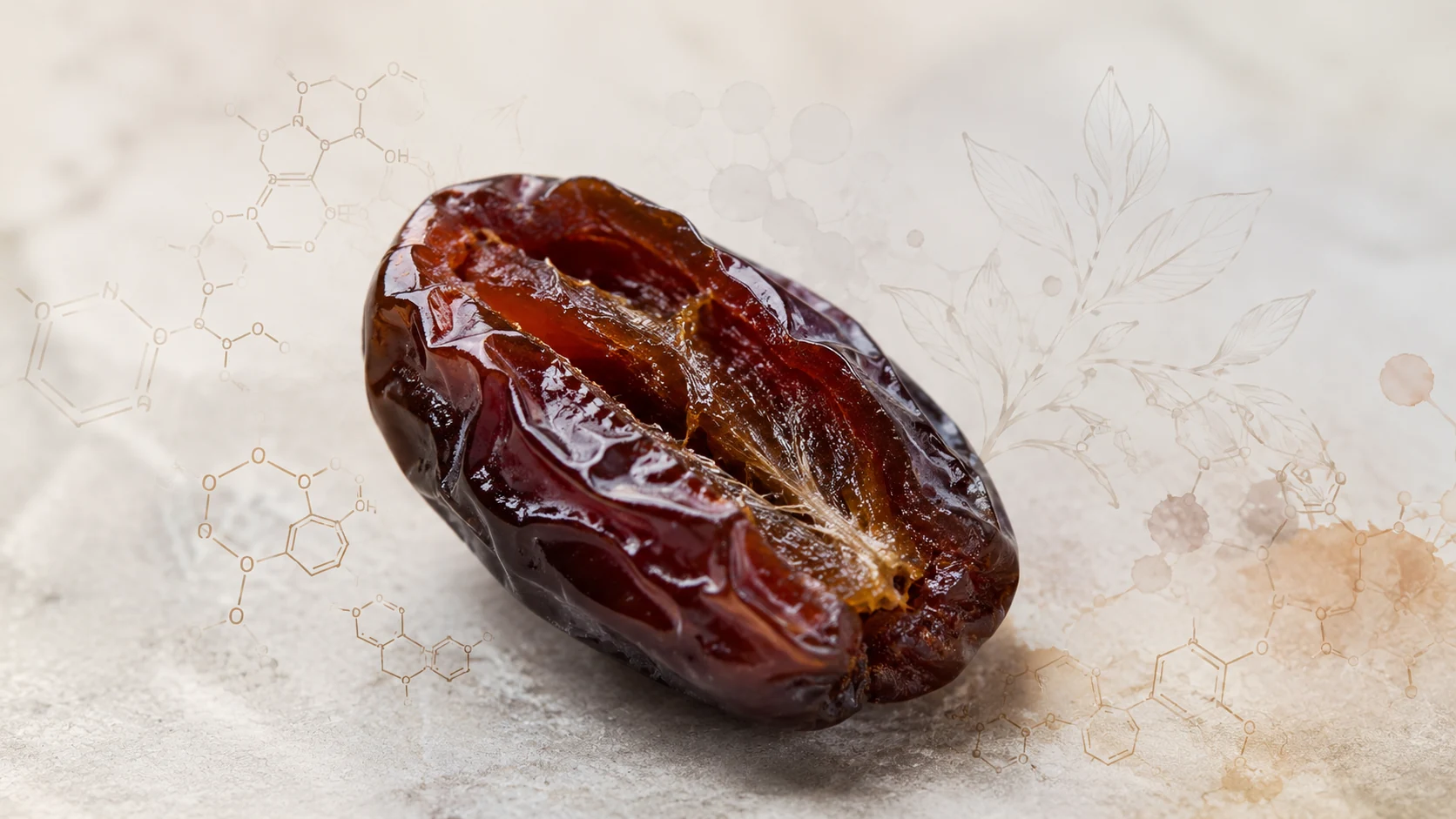
Dates contain a range of phytochemicals, including phenolic acids, flavonoids and carotenoids.
These compounds are widely studied because of their antioxidant activity and biological properties. Reviews of date fruit chemistry have identified multiple bioactive compounds, while also emphasizing that composition can vary between cultivars, growing environments and ripening stages. [3]
More recent cultivar research has also shown that phenolic composition and antioxidant potential can change substantially as date fruit moves through different ripening stages.
What does this mean for someone eating dates?
It means dates contribute plant compounds that are of genuine scientific interest.
What does it not mean?
It does not prove that dates prevent cancer, cure inflammatory disease or replace medical treatment.
Laboratory antioxidant activity is not the same thing as a proven clinical therapy.
The more defensible reason to eat dates is simpler: they are a whole plant food containing fiber, minerals and diverse phytochemicals.
5. Dates Are a Useful Source of Potassium
Potassium is an essential mineral involved in normal cell function, nerve transmission and muscle function.
USDA Medjool data list approximately 696 mg of potassium per 100 grams. [1] That makes potassium one of the notable minerals in date fruit.
There is an important detail, however.
A 100-gram portion of Medjool dates also provides approximately 277 calories and more than 60 grams of naturally occurring sugars. It therefore makes little sense to tell people to eat unlimited dates simply to obtain more potassium.
Dates should be viewed as one contributor to mineral intake within a diverse diet, not as a replacement for vegetables, legumes and other fruits.
People with kidney disease or another medical reason to restrict potassium should follow individual clinical advice.
6. Dates Also Provide Magnesium and Other Minerals
Potassium receives most of the attention, but dates also provide magnesium, calcium, phosphorus and smaller quantities of other minerals.
Exact values vary between date varieties.
That variation matters in the world of dates. A soft, fully ripened fruit is not chemically identical to a crisp date at an earlier ripening stage. Different cultivars can differ in moisture, sugar profile and individual phytochemicals.
This is one reason the word “dates” should not always be treated as if it describes one completely uniform food.
At BAGHERI, we see the difference clearly between the dark, semi-soft character of Dashtestan Kabkab and the crisp freshness of traditional yellow Kharak.
Different dates have different textures, harvest stages and eating experiences.
7. Whole Dates Can Be a Different Way to Add Sweetness
Dates are sometimes described as a “natural sugar substitute.”
That phrase needs clarification.
Dates are naturally high in sugar. Using dates does not magically remove sugar or calories from a recipe.
However, whole date flesh or date paste can add sweetness while retaining components naturally present in the fruit, including dietary fiber and minerals.
That is fundamentally different from claiming that dates are sugar-free.
Chopped dates or date paste can be used in foods such as:
- oatmeal;
- homemade energy bites;
- yogurt;
- nut-based snacks;
- smoothies;
- some bakery products;
- and sauces or fillings.
Food-science literature has explored date fruit and date ingredients as alternatives to added or refined sweeteners in product formulation. [4]
There is an important distinction: whole dates, date paste and highly processed date syrup are not nutritionally interchangeable in every respect.
The more of the whole fruit structure that remains, the more meaningful the comparison with refined sugar becomes.
8. What About Dates and Blood Sugar?
This is one of the most searched — and most poorly answered — questions about dates.
Yes, dates contain substantial amounts of natural sugar.
Anyone claiming that dates “do not affect blood sugar” is making an overly broad statement.
At the same time, it is also inaccurate to assume that a whole date is metabolically identical to pure table sugar in every context.
Human research is more nuanced.
A 2011 study measured the glycemic indices of five date varieties in healthy participants and also examined post-meal glucose responses in people with type 2 diabetes. The tested varieties had low glycemic index values in that study. [5]
In a later randomized controlled trial involving 100 adults with type 2 diabetes, the intervention group consumed three dates daily for 16 weeks. The researchers did not observe a significant worsening of HbA1c compared with the control group. [6]
These findings are useful, but they do not make dates a treatment for diabetes.
The scientifically responsible answer is:
Dates may fit into some individual eating plans, but portion size, total carbohydrate intake, medication and personal glucose response matter.
Anyone managing diabetes should count dates within total carbohydrate intake and follow individual medical or dietetic advice.
9. Dates May Fit Into a Heart-Conscious Diet
Dates contain fiber, potassium and several bioactive plant compounds. Researchers have therefore investigated possible relationships with lipid and oxidative stress markers.
Some small human studies are encouraging.
In a 2009 pilot study, ten healthy adults consumed 100 grams per day of either Medjool or Hallawi dates for four weeks. Date consumption did not significantly increase fasting serum glucose or measured cholesterol fractions. Some triglyceride and oxidative-stress findings differed between the two varieties. [7]
The 2020 trial of three dates daily in adults with type 2 diabetes also reported some favorable lipid findings, while the authors emphasized that dose-response effects still required further study. [6]
The correct conclusion remains modest:
Dates can be part of a balanced, heart-conscious eating pattern, but current evidence does not justify selling dates as a treatment for cardiovascular disease or high cholesterol.
10. Dates and Pregnancy: What Does Research Say About Labor?
This is a major date-health question and deserves a careful answer.
A 2024 systematic review and dose-response meta-analysis examined date consumption during late pregnancy and labor. The pooled findings suggested possible benefits for several labor-related outcomes, including shorter gestation or labor measures in some analyses, less need for labor induction, greater cervical dilation on admission and a higher frequency of spontaneous vaginal delivery. [8]
That sounds promising — but it needs context.
The included studies differed in design, date dose, timing and quality. A meta-analysis can identify a pattern across studies, but it does not create a universal prescription for every pregnant person.
Dates should not be presented as a guaranteed way to induce labor or as a replacement for obstetric care.
Pregnant people — especially those with gestational diabetes, high-risk pregnancy, medication concerns or individualized dietary restrictions — should discuss substantial changes in date intake with their maternity care professional.
The honest summary is:
Research on dates in late pregnancy is promising, particularly for some labor outcomes, but the evidence should guide further clinical discussion rather than marketing promises.
11. Dates Are a Convenient Whole-Fruit Snack
Not every benefit needs a complicated biochemical explanation.
Dates are convenient.
A date can be eaten directly from the fruit. It requires no cooking and is naturally portable.
That makes dates useful as a snack at work, during travel or alongside foods such as nuts and unsweetened dairy products.
Portability matters because dietary quality is affected by what people can realistically access when they are hungry.
A whole fruit that is easy to carry may be a more practical choice than a snack formulated primarily from refined sugar and heavily processed ingredients.
Context still matters.
Eating a few dates as a deliberate snack is different from repeatedly eating large quantities without considering total energy intake.
Are Dates a Superfood?
“Superfood” is a marketing term, not a precise medical category.
Dates do not need the label.
They are a naturally sweet fruit with a distinctive nutritional composition: concentrated carbohydrates, dietary fiber, potassium and multiple phytochemicals.
That is already interesting.
Turning dates into a miracle food may attract a click, but it weakens trust.
At BAGHERI, our experience with dates began long before the modern superfood market.
In Dashtestan, a date is understood first as a fruit of the palm, the soil, the heat and the harvest.
Some are soft.
Some are semi-dry.
Some are eaten at the yellow Kharak stage, when the fruit is crisp and fresh.
Others reach darker, softer stages associated with fully ripened dates.
The date palm produces diversity — and nutrition should be discussed with the same respect for detail.
Do Dates Help With Weight Loss?
Dates are sometimes promoted as a weight-loss food.
That claim is too simple.
Dates contain fiber and can be satisfying, but they are also energy-dense. Whether dates support, maintain or work against a weight-loss goal depends on the total diet and the quantity eaten.
A few dates used deliberately in place of a less filling sweet may fit comfortably into a calorie-controlled eating pattern.
Eating a large bowl of dates in addition to an already energy-rich diet is a different situation.
Dates do not “burn fat.”
Their advantage is that they are a whole fruit with fiber and nutrients — not that calories disappear because the sugar is natural.
How Many Dates Should You Eat a Day?
There is no universal scientifically established number of dates that every person should eat daily.
An appropriate portion depends on:
- the variety and size of the date;
- total daily energy requirements;
- overall carbohydrate intake;
- physical activity;
- health conditions;
- and the rest of the diet.
Human studies have used very different amounts. The bowel-function study used approximately 50 grams or seven dates per day. The diabetes trial used three dates per day. The pilot lipid study used 100 grams per day.
These are research interventions, not universal serving recommendations.
Because dates are energy-dense, portion awareness is sensible.
A person does not need to eat 100 grams of dates simply because nutrition tables are presented “per 100 g.”
What Is the Best Time to Eat Dates?
There is no single medically proven “best time” to eat dates for everyone.
The best time depends on why you are eating them.
Dates may be convenient:
- as part of breakfast;
- before or after physical activity, depending on individual needs;
- as a portable snack;
- or when breaking a period of fasting.
The idea that eating dates at one exact hour produces unique health effects is not supported by strong evidence.
For most people, the overall dietary pattern matters more than a magical time on the clock.
Are Fresh Dates and Fully Ripened Dates the Same?
Not exactly.
The date palm fruit passes through distinct stages of development and ripening. Moisture, texture, sugar concentration and phytochemical composition can change as the fruit develops.
In the date-producing regions of southern Iran, this is not an abstract scientific detail.
Growers experience it every season.
Kharak, for example, is the local name we use for an earlier edible stage in which the fruit can be yellow, crisp and firm. As the fruit softens toward Rutab and later reaches fully ripened stages, its texture, moisture and sweetness change.
Different cultivars also have distinct characteristics.
That is why an article about “date nutrition” should be careful when presenting one nutritional table as a universal profile for every date in the world.
USDA Medjool data provide a useful reference, but Medjool is not Kabkab — and Kabkab is not every Kharak.
Origin, cultivar and ripening stage matter.
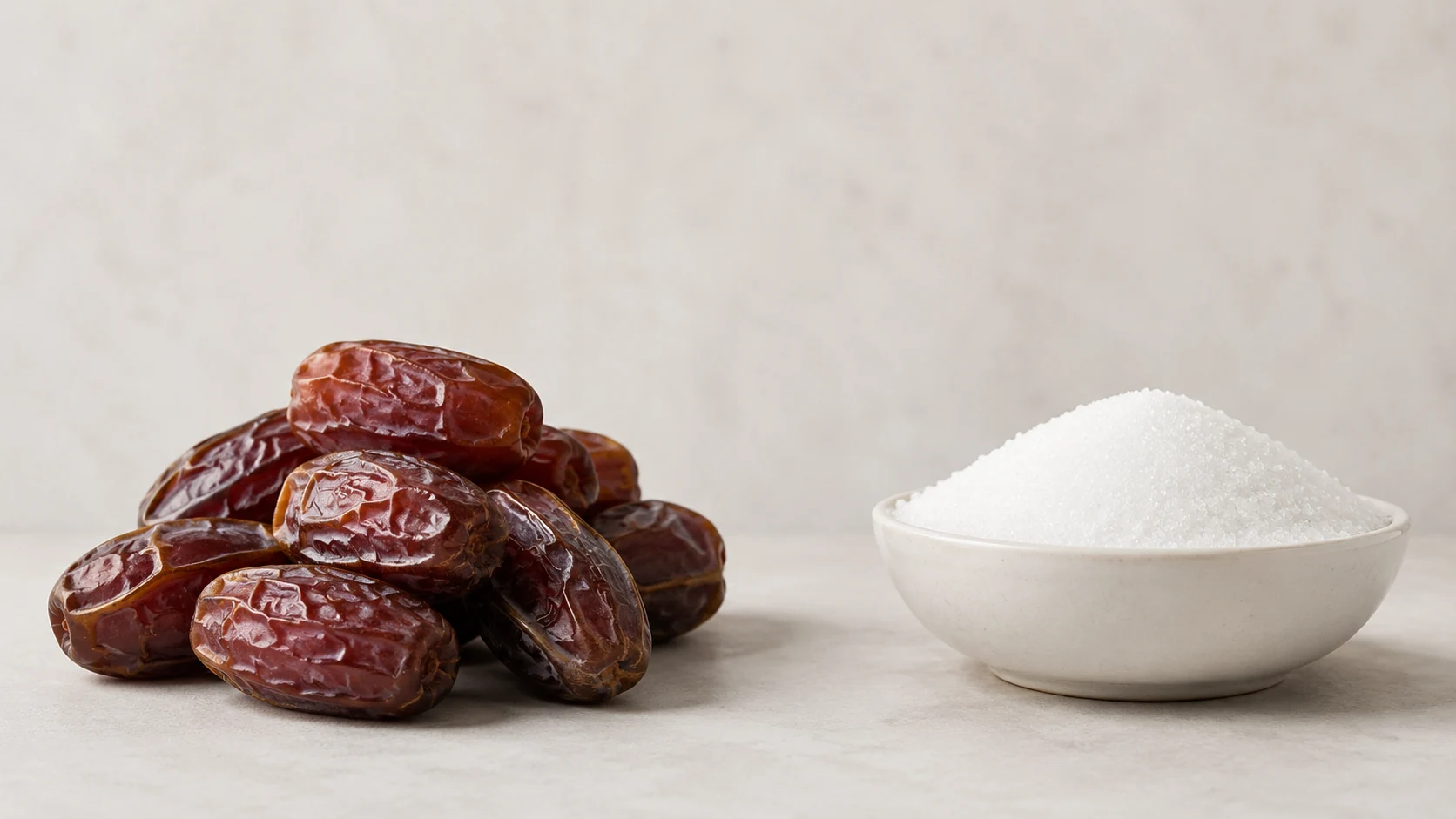
Are Dates Better Than Refined Sugar?
This question needs context.
Whole dates contain natural sugars, so they are not a low-sugar food.
However, whole dates also naturally provide dietary fiber, minerals and phytochemicals that refined table sugar does not provide in comparable form.
When whole date flesh is used to add sweetness to food, it may therefore offer nutritional components beyond sweetness alone.
This does not give dates unlimited status.
Calories still count.
Carbohydrates still count.
Portion size still matters.
The practical distinction is that a date is a whole fruit, not simply an isolated sweetener.
Are Dates Good for Anemia or a Major Source of Iron?
This is another claim that is often exaggerated online.
Dates contain some iron, but Medjool reference data do not make them an exceptionally concentrated iron source. [1]
Therefore, dates should not be promoted as a treatment for iron-deficiency anemia.
Someone with suspected anemia needs appropriate assessment because anemia has multiple causes and may require iron-rich foods, supplementation or medical treatment depending on the diagnosis.
Dates can be part of a varied diet. They are not a substitute for diagnosing and treating anemia.
Who Should Be Careful With Dates?
Most healthy people can include dates in a varied diet.
Extra attention may be appropriate for people who:
- need to closely manage carbohydrate intake;
- have diabetes and are adjusting medication or dietary carbohydrate;
- have kidney disease or have been advised to restrict potassium;
- are pregnant and have gestational diabetes or another individualized nutrition plan;
- are following a medically prescribed diet;
- or need strict control of total calorie intake.
Dates are also naturally sticky and sweet. Good dental hygiene remains important when frequently consuming sweet foods.
This article provides general nutritional information and is not a substitute for individual medical advice.
Frequently Asked Questions About the Health Benefits of Dates
Are dates healthy?
Yes. Dates can be part of a balanced diet. They provide carbohydrates, dietary fiber, potassium and naturally occurring plant compounds. Because they are also concentrated in natural sugars and calories, portion size matters.
What are the main benefits of eating dates?
The most defensible benefits relate to energy from carbohydrates, dietary fiber, bowel regularity, minerals and phytochemicals. Human research has also investigated glycemic, lipid and late-pregnancy outcomes, but the evidence is not equally strong for every claim.
Are dates good for digestion?
Dates contain dietary fiber. In a small randomized crossover human study, approximately seven dates or 50 grams daily for 21 days was associated with increased bowel movement frequency. [2]
Are dates high in sugar?
Yes. Dates are naturally high in sugar. USDA Medjool data list approximately 66.5 grams of total sugars per 100 grams. [1] Portion size matters, especially when total carbohydrate intake is medically important.
Do dates give you energy?
Dates are rich in carbohydrates, making them a concentrated source of dietary energy. That is one reason they are convenient as a portable snack or around periods of increased energy demand.
Can people with diabetes eat dates?
Some human studies suggest moderate date consumption can fit into certain diabetes eating plans, but dates still contain substantial carbohydrates. Individual glucose response, medication and total carbohydrate intake should be considered with a healthcare professional. [5][6]
Are dates good for the heart?
Dates contain fiber and potassium and have been studied for possible effects on lipid and oxidative-stress markers. The evidence is interesting but does not establish dates as a treatment for cardiovascular disease. [6][7]
Can dates help with labor?
A 2024 systematic review and meta-analysis reported promising findings for several labor-related outcomes when dates were consumed in late pregnancy or labor. However, dates are not a guaranteed labor-induction method, and individualized maternity care still matters. [8]
Do dates help you lose weight?
Dates do not burn fat. They may fit into a weight-loss diet when portions are accounted for, particularly if they replace another less nutritious sweet food. Because dates are energy-dense, quantity matters.
How many dates should I eat every day?
There is no universal daily number. Date size, variety, calorie requirements, health conditions and total carbohydrate intake all influence an appropriate portion.
Are dates better than candy?
Whole dates provide fiber, minerals and plant compounds in addition to natural sugars. Many candies are formulated primarily from refined sugars and other processed ingredients. The exact comparison still depends on the products and portion sizes.
Are dates good for anemia?
Dates contain some iron but should not be promoted as a treatment for iron-deficiency anemia. Anemia requires appropriate assessment and treatment based on its cause.
Are all date varieties nutritionally the same?
No. Nutrient and phytochemical composition can vary with cultivar, origin, growing conditions and ripening stage. Medjool nutrition data should not automatically be assumed to represent Kabkab, Kharak or every other date.
A Fruit Should Be Understood Before It Is Marketed
There is a strange habit in modern food marketing.
First, a traditional food is removed from its place of origin.
Then it is given a new label.
Then it is sold back to the world as a discovery.
For us, dates need no invented story.
We come from Dashtestan, Bushehr — a landscape where the relationship between people and date palms has been shaped over generations.
Our family history under the palms reaches back nearly two centuries.
We know the dark, semi-soft character of Kabkab.
We know the moment yellow Kharak becomes sweet yet remains crisp.
We know that the same palm does not present the same fruit at every stage of the season.
The health benefits of dates are worth studying.
But before nutrition tables, antioxidants and modern functional-food research, there is something even more fundamental:
The date is a real fruit, from a real palm, grown in a real place.
And we believe its story should begin there.
— BAGHERI | Heritage Dates from Dashtestan
References and Scientific Sources
[1] U.S. Department of Agriculture, Agricultural Research Service. FoodData Central: Dates, Medjool. FDC ID 168191. Nutrient values used as a reference example in this article.
[2] Eid N, Osmanova H, Natchez C, et al. Impact of palm date consumption on microbiota growth and large intestinal health: a randomised, controlled, cross-over human intervention study. British Journal of Nutrition. 2015;114(8):1226-1236. doi:10.1017/S0007114515002780.
[3] Vayalil PK. Date Fruits (Phoenix dactylifera Linn): An Emerging Medicinal Food. Critical Reviews in Food Science and Nutrition. 2012;52(3):249-271. doi:10.1080/10408398.2010.499824.
[4] Sayas-Barberá E, Paredes C, Salgado-Ramos M, et al. Approaches to Enhance Sugar Content in Foods: Is the Date Palm Fruit a Natural Alternative to Sweeteners? Foods. 2024;13(1):129. doi:10.3390/foods13010129.
[5] Alkaabi JM, Al-Dabbagh B, Ahmad S, Saadi HF, Gariballa S, Al Ghazali M. Glycemic indices of five varieties of dates in healthy and diabetic subjects. Nutrition Journal. 2011;10:59. doi:10.1186/1475-2891-10-59.
[6] Alalwan TA, Mandeel QA, Al-Sarhani L, et al. Effects of Daily Low-Dose Date Consumption on Glycemic Control, Lipid Profile, and Quality of Life in Adults with Pre- and Type 2 Diabetes: A Randomized Controlled Trial. Nutrients. 2020;12(1):217. doi:10.3390/nu12010217.
[7] Rock W, Rosenblat M, Borochov-Neori H, et al. Effects of date (Phoenix dactylifera L., Medjool or Hallawi Variety) consumption by healthy subjects on serum glucose and lipid levels and on serum oxidative status: a pilot study. Journal of Agricultural and Food Chemistry. 2009;57(17):8010-8017. doi:10.1021/jf901559a.
[8] Salajegheh Z, Nasiri M, Imanipour M, et al. Is oral consumption of dates (Phoenix dactylifera L. fruit) in the peripartum period effective and safe integrative care to facilitate childbirth and improve perinatal outcomes: a comprehensive revised systematic review and dose-response meta-analysis. BMC Pregnancy and Childbirth. 2024;24:12. doi:10.1186/s12884-023-06196-y.
Editorial Note
Written by Hassan Bagheri for BAGHERI Heritage Dates. This article is intended for general educational purposes and is based on cited food-composition data and peer-reviewed research. It has not been written as individualized medical advice. Scientific evidence concerning date fruit continues to develop, and results from laboratory, observational or small human studies should not automatically be interpreted as evidence of disease treatment or prevention. Nutritional composition also varies between cultivars and stages of ripeness.